In February 2013, a group of friends — journalists, entrepreneurs and literary enthusiasts — came together with a shared concern: Gujarati language and literature were losing their sheen. Around 2010, over 60% of students who appeared in Class X (SSC) examinations in Gujarat failed in Gujarati — their own mother tongue. Quality writing and editing in Gujarati was paying less. The number of new Gujarati titles was shrinking. The writing was on the wall.
These friends were inspired by the Jaipur Literature Festival, but decided on a very different path. Rather than another English-book-centric event, they would create something that actively popularised Gujarati language, literature and culture — in a way that was cool, contemporary and inclusive. Unlike other literature festivals focused on book writers or wedded to promoting a certain medium, GLF was born as a medium and genre-neutral festival.
Committed to inclusivity from day one, they decided GLF would never exclude anyone — on grounds of language, genre or background. One of their hallmark early decisions was to financially pay every writer and literary artist who participated. Until then, many emerging writers even had to pay for a stage. GLF reversed this entirely.
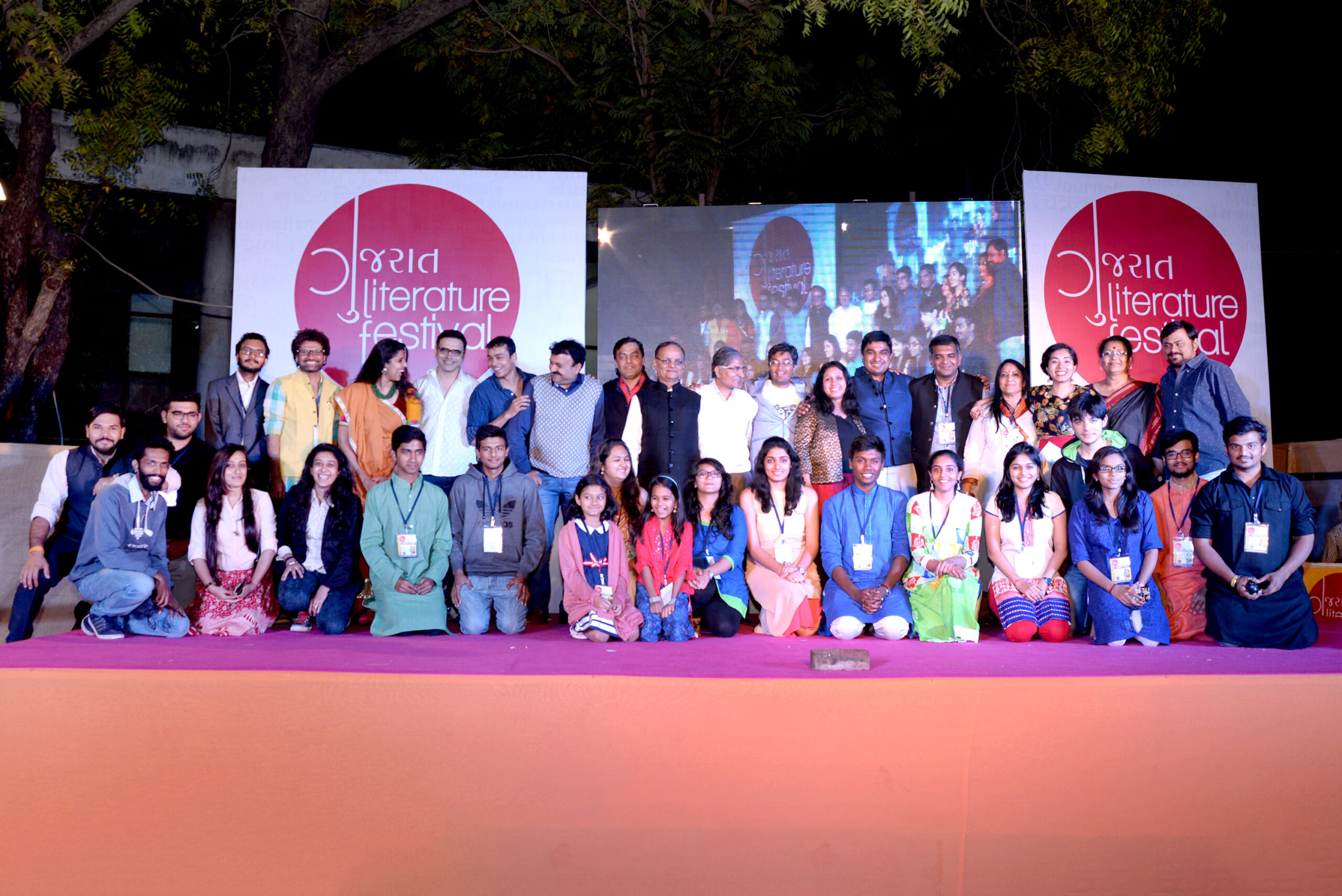
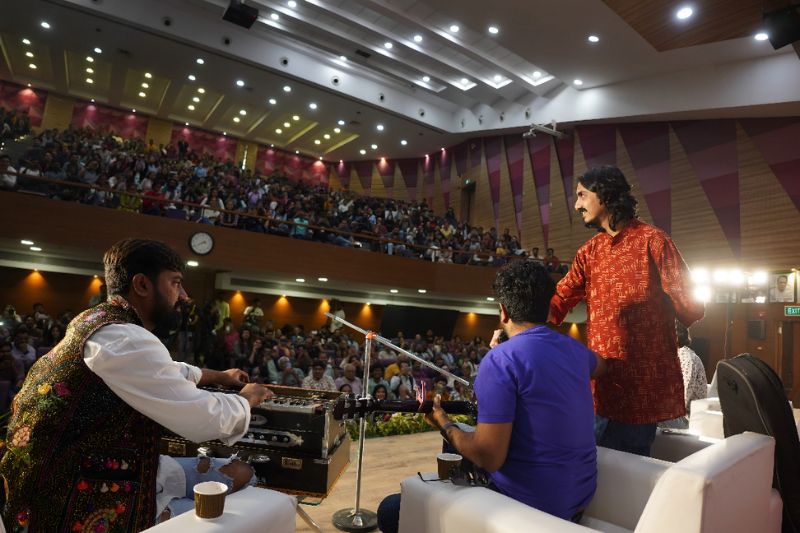
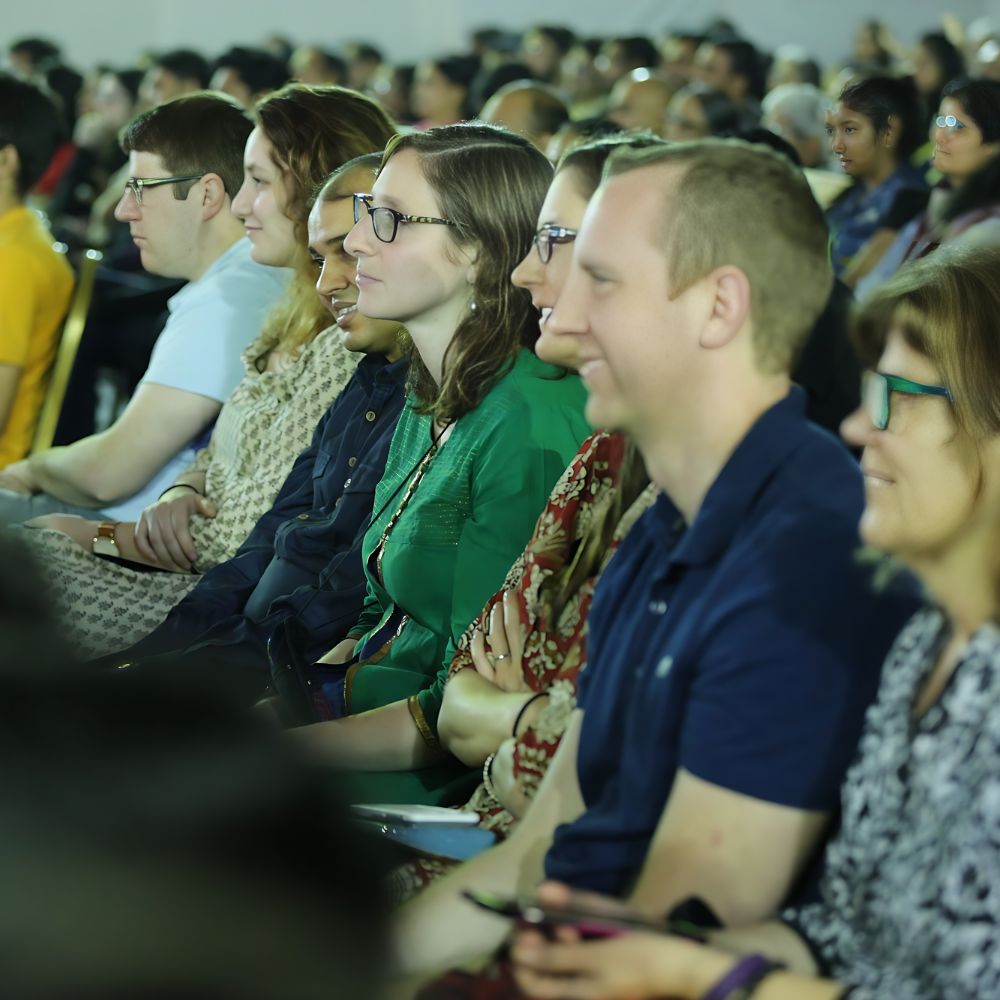
With nearly empty pockets and strong conviction, the first GLF was born in January 2014 as the ‘Gujarati Literature Festival’. It was a three-day event — morning to evening — hosting 150+ writers before a crowd that was over 50% under 30 years old. Some events were webcast live, attracting 7,500+ viewers from the US, UK and Australia.
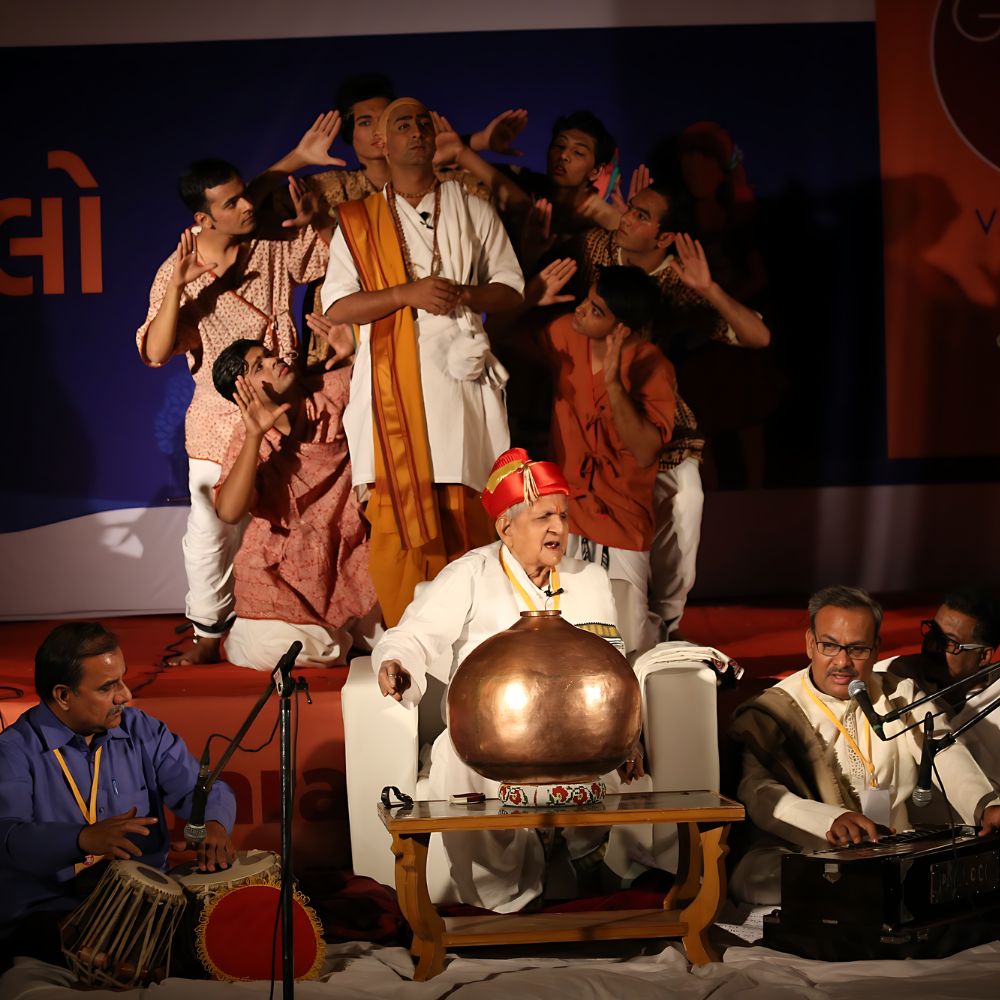
The following year, the festival was renamed ‘Gujarat Literature Festival’ — an acknowledgement that it welcomed all languages and forms. The commitment to Gujarati remained its beating heart. GLF expanded the definition of literature beyond the printed word to include films, web series, theatre, music, journalism, social media and digital content.
Over ten editions across two cities and thirteen venues, GLF has grown from a scrappy passion project into a movement. It has influenced education policy, inspired scores of new writers, produced two generations of GLF-trained literary professionals, and made a measurable difference to how Gujarati is regarded, read and written.